
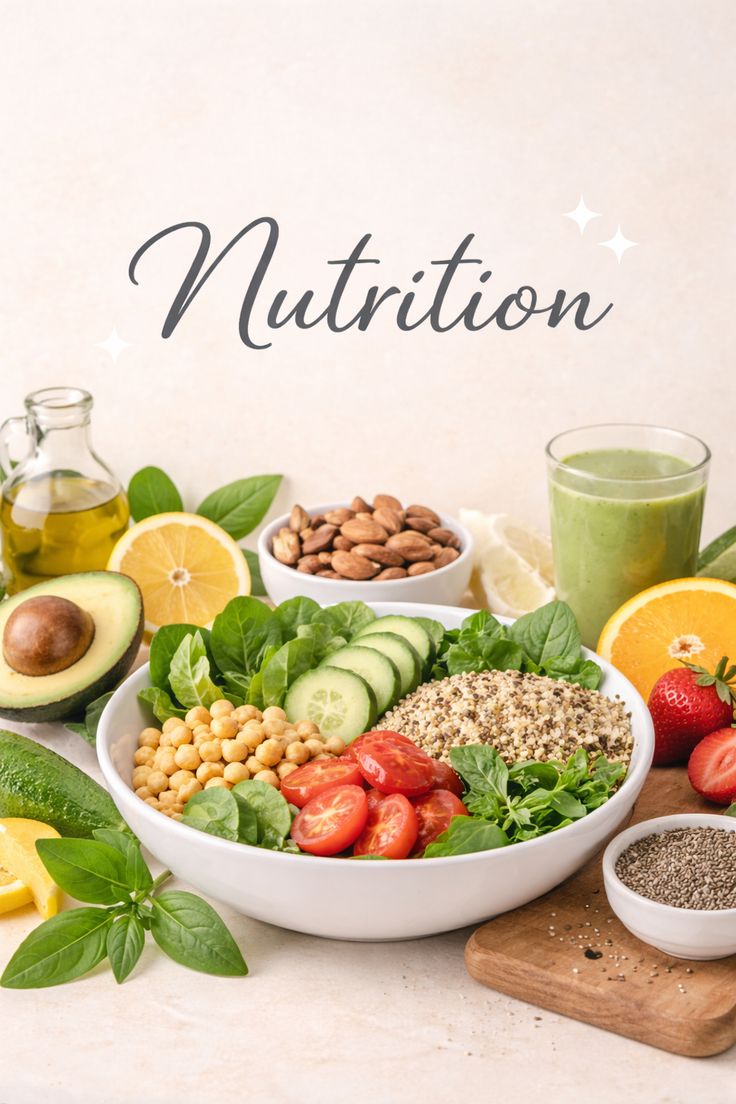
We live in an era of nutrition noise: viral diets, contradictory headlines, and supplements touted as quick fixes. Yet the foundations of healthy eating remain simple and evidence-based. This article breaks down practical, science-informed strategies you can use today to improve nutrient intake, support steady energy, and build sustainable habits without perfectionism.
The foundation: whole foods and balance
Start with whole, minimally processed foods. Vegetables, fruits, whole grains, beans, nuts, seeds, lean proteins, and healthy fats provide a wide spectrum of macronutrients, fiber, and micronutrients in bioavailable forms. Aim to include a source of protein, some healthy fats, and fiber-rich carbohydrates at each meal to stabilize blood sugar and keep you satisfied.
Color is an easy proxy for nutrient diversity: a plate with leafy greens, orange vegetables, red fruits, and a whole grain or legume will naturally include vitamins, minerals, antioxidants, and different types of fiber. Replace ultra-processed snacks with simple swaps—whole fruit instead of fruit-flavored snacks, plain yogurt with fresh berries instead of sugary parfaits, or roasted chickpeas in place of chips.
Micronutrients that matter
While macronutrients (protein, carbs, fat) get a lot of attention, micronutrients—vitamins and minerals—play crucial roles in energy, immune function, bone health, and mood. Some common nutrients to watch for include vitamin D, B12, iron, calcium, magnesium, and omega-3 fatty acids.
Vitamin D is often low, especially in less sunny climates, and is important for bone health and immune regulation. B12 is essential for nerve function and red blood cell formation and can be low in people who follow plant-based diets unless fortified foods or supplements are used. Iron and calcium are critical across life stages; pairing iron-rich plant foods with vitamin C improves absorption. Aim to meet micronutrient needs through varied foods first, and use blood tests and professional guidance before starting targeted supplementation.
Special focus: gut health
Your gut microbiome influences digestion, nutrient absorption, inflammation, and even mood. Feed it a variety of fibers with vegetables, fruits, whole grains, legumes, nuts, and seeds. Include fermented foods like yogurt, kefir, sauerkraut, kimchi, or miso to introduce beneficial microbes. Resistant starches—cooled potatoes, green bananas, and legumes—act as prebiotics that feed good bacteria.
Small changes can increase microbial diversity: add an extra vegetable to a meal, swap a refined grain for a whole grain, or snack on an apple with nut butter. If you have chronic digestive symptoms, consult a clinician to rule out underlying conditions and get individualized advice.
Practical habits for daily nutrition
Consistent, small habits are easier to maintain than dramatic overhauls. Here are practical strategies that add up over time:
Plan and prep
Batch-cooking grains, chopping vegetables, and portioning snacks reduces decision fatigue and makes healthy choices more accessible on busy days. Preparing a few staples—roasted vegetables, cooked beans, and a simple grain—lets you mix and match meals quickly.
Hydration and mindful eating
Hydration supports digestion and cognitive function. Aim to sip water regularly, and pair it with meals and snacks. Slow down while eating: put away screens, chew thoroughly, and check in about your hunger and fullness. Mindful eating helps you notice taste, satisfaction, and portion sizes.
Smart label reading
When buying packaged foods, scan the ingredient list: shorter lists with recognizable ingredients are usually better. Watch out for added sugars, sodium, and hydrogenated oils. Serving sizes can be misleading, so measure or eyeball portions until you develop a sense of appropriate amounts.
Moderation over restriction
Rigid rules can backfire. Build in flexibility so you can enjoy treats without derailing progress. A sustainable approach prioritizes nutrient-dense foods most of the time while allowing for occasional indulgences.
When to consider supplements and professional guidance
Supplements can fill gaps but are not a substitute for a varied diet. Consider supplementation when deficiencies are confirmed by blood tests, when dietary restrictions limit intake (for example, B12 for vegans), or when life stages increase needs (pregnancy or older age). Choose reputable brands, follow dosage guidance, and discuss interactions with medications with your healthcare provider.
Registered dietitians and nutrition-savvy clinicians can provide personalized recommendations based on your health history, labs, lifestyle, and preferences. If you experience persistent fatigue, unexplained weight change, digestive issues, or other concerning symptoms, seek professional evaluation rather than self-diagnosing.
Adopting better nutrition doesn’t require perfection—small, consistent improvements compound. By prioritizing whole foods, paying attention to micronutrient-rich choices, supporting gut health, and building practical routines like meal prep and mindful eating, you create a foundation for lifelong wellness. Start with one swap this week, notice how it makes you feel, and let progress guide your next step.