
Introduction to Minimalist Fitness
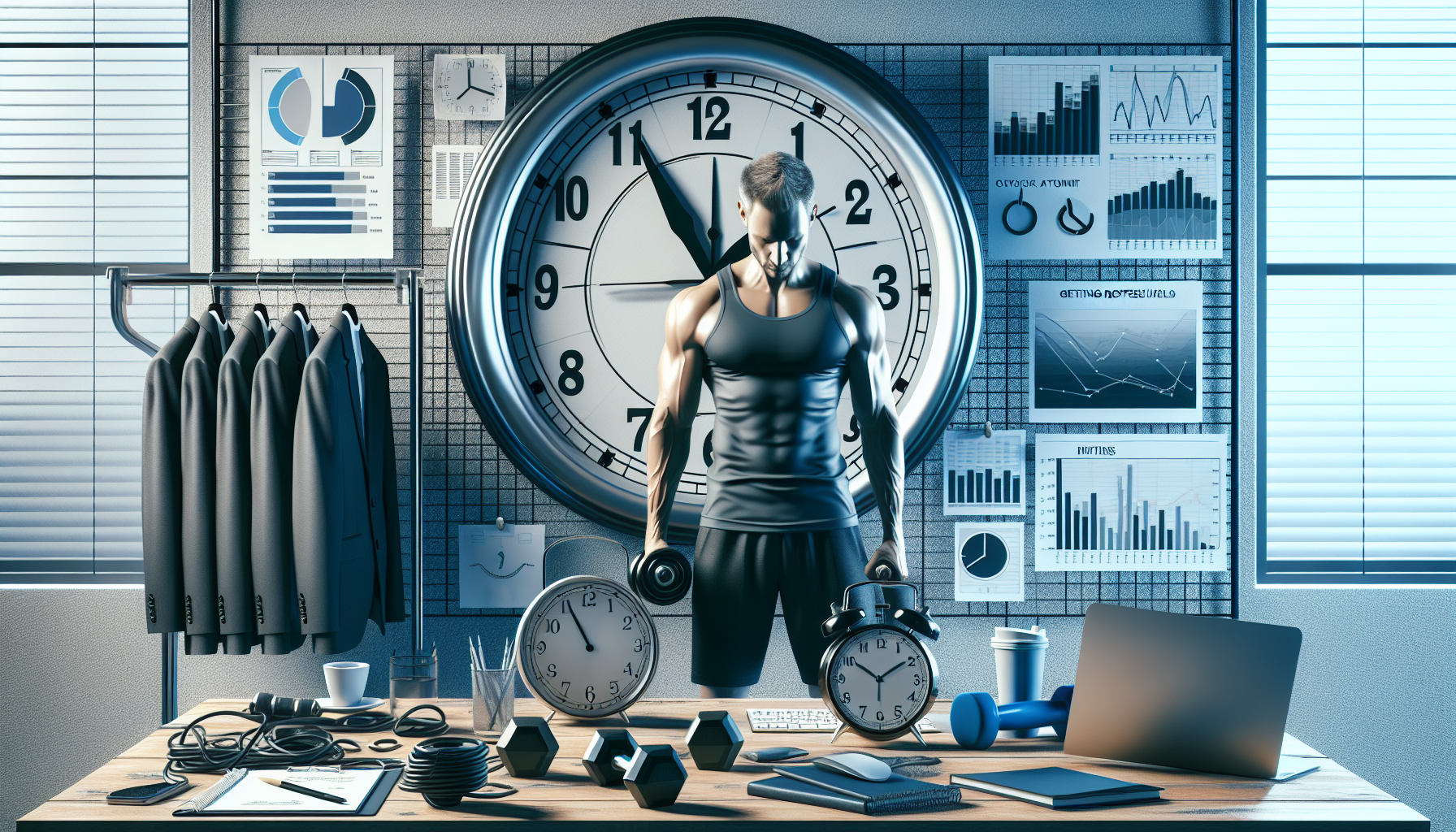
In today’s fast-paced world, busy professionals often struggle to find time for fitness amidst demanding schedules. Minimalist fitness offers an effective solution by focusing on efficiency, simplicity, and maximizing results with minimal time investment. This approach is particularly valuable for those seeking to maintain a healthy lifestyle without compromising professional responsibilities.
What is Minimalist Fitness?
Minimalist fitness emphasizes quality over quantity, prioritizing exercises that deliver the greatest benefit in the shortest amount of time. It discards unnecessary complexity, equipment, and lengthy routines, instead adopting streamlined workouts that fit seamlessly into a busy lifestyle.
This fitness philosophy aligns perfectly with modern professional demands, where time is limited but health and wellbeing remain a priority.
Benefits of Minimalist Fitness for Busy Professionals
- Time Efficiency: Short, focused workouts fit easily into packed schedules.
- Improved Consistency: Simplicity encourages regular exercise adherence.
- Cost-Effective: Minimal equipment reduces expenses and logistical barriers.
- Enhanced Focus on Results: Prioritizing compound movements and high-intensity training maximizes fitness gains.
- Reduced Overwhelm: Streamlined routines prevent burnout and decision fatigue.
Core Principles of Minimalist Fitness
1. Prioritize Compound Movements
Compound exercises engage multiple muscle groups simultaneously, promoting strength, endurance, and calorie burn efficiently. Examples include squats, deadlifts, push-ups, and pull-ups.
2. Emphasize High-Intensity Training
High-Intensity Interval Training (HIIT) involves short bursts of intense activity followed by brief recovery periods. HIIT maximizes cardiovascular and metabolic benefits in a fraction of the time compared to traditional steady-state cardio.
3. Limit Workout Duration
Effective minimalist workouts typically range from 15 to 30 minutes. This duration is manageable for busy professionals while still delivering significant health benefits.
4. Use Minimal Equipment
Bodyweight exercises or basic tools such as resistance bands and dumbbells allow for flexible training environments, whether at home, office, or gym.
5. Focus on Consistency Over Perfection
Regular, manageable workouts foster sustainable progress. Missing a session occasionally is acceptable and should not discourage continued effort.
Designing a Minimalist Fitness Routine
Creating an efficient exercise plan tailored to your schedule and goals is essential. Here’s a step-by-step guide:
- Assess Your Time Availability: Identify windows within your day—early morning, lunch break, or evening—for workouts.
- Set Clear Goals: Define whether your focus is strength, endurance, weight loss, or overall health.
- Select Key Exercises: Incorporate compound movements and HIIT intervals.
- Schedule Workouts: Plan 3-5 sessions per week, each lasting 15-30 minutes.
- Track Progress: Monitor improvements in strength, stamina, or body composition.
Sample Minimalist Workout Plan
The following routine can be completed in 20 minutes and requires minimal equipment:
- Warm-up (3 minutes): Jumping jacks, arm circles, and leg swings.
- Workout (15 minutes):
- Push-ups – 3 sets of 12 reps
- Bodyweight squats – 3 sets of 15 reps
- Plank hold – 3 sets of 30 seconds
- Jump lunges – 3 sets of 10 reps per leg
- Burpees – 3 sets of 10 reps
- Cool-down (2 minutes): Stretching focus on major muscle groups.
Tips to Maximize Results with Minimalist Fitness
- Maintain Proper Form: Quality movement reduces injury risk and enhances effectiveness.
- Stay Hydrated and Nourished: Support workouts with balanced nutrition.
- Prioritize Sleep: Recovery is crucial for fitness gains.
- Incorporate Active Breaks: Use short movement breaks during work to increase daily activity.
- Leverage Technology: Fitness apps and timers can streamline workouts and track progress.
Overcoming Common Challenges
Lack of Motivation
Set realistic goals, celebrate small wins, and find a workout buddy or coach for accountability.
Time Constraints
Use micro-workouts or split sessions into shorter intervals throughout the day.
Limited Space or Equipment
Focus on bodyweight exercises and use household items as improvised equipment.
Conclusion
Minimalist fitness is an ideal strategy for busy professionals seeking to maintain health and fitness without extensive time commitments. By focusing on efficient exercises, consistency, and simplicity, it is possible to achieve impressive results despite a hectic schedule. Embracing this approach not only enhances physical wellbeing but also supports mental clarity and productivity, leading to a balanced and fulfilling professional life.