
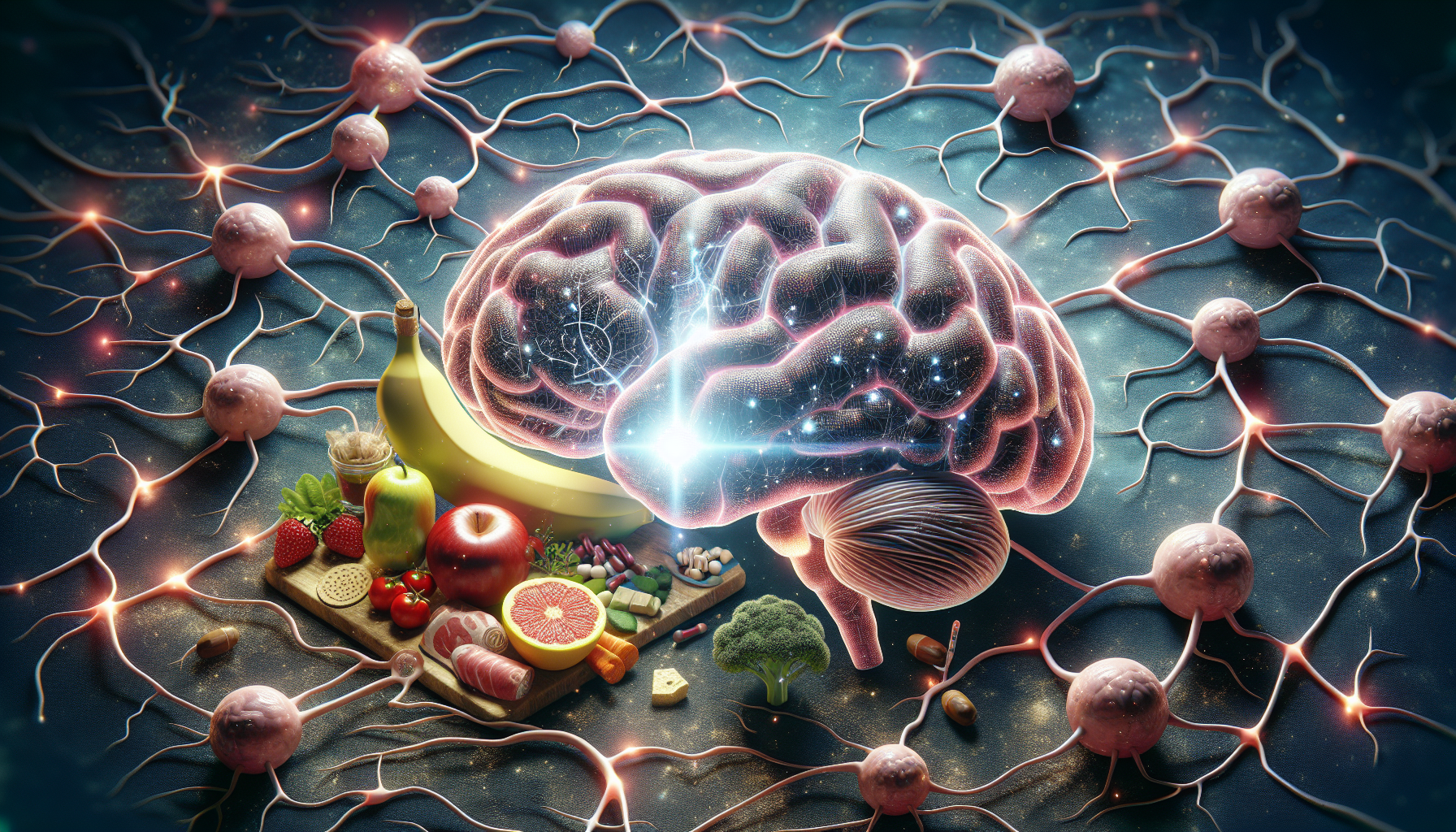
Understanding the Gut-Brain Connection
The gut-brain connection is a complex communication network that links your gastrointestinal tract and your brain. This bidirectional system allows the brain to send signals to the gut and vice versa, influencing mental health, mood, and cognitive functions. Over recent years, scientific research has uncovered that this connection plays a pivotal role in how our dietary choices can impact our emotional well-being.
At the core of this interaction is the gut microbiome — a diverse community of trillions of microorganisms residing in our digestive tract. These microbes help digest food, synthesize vitamins, and produce neurotransmitters that affect brain function. Understanding how your diet influences this ecosystem is essential for optimizing mental health.
How Diet Influences Your Gut Microbiome
Your diet directly shapes the composition and diversity of your gut microbiome. A balanced diet rich in fiber, prebiotics, and probiotics fosters a healthy microbiome, while diets high in processed foods, sugar, and unhealthy fats can disrupt this delicate balance.
Key Dietary Components that Affect Gut Health
- Fiber: Found in fruits, vegetables, whole grains, and legumes, fiber acts as food for beneficial gut bacteria, promoting their growth and activity.
- Prebiotics: These are non-digestible food components such as inulin and oligosaccharides that stimulate the growth of beneficial bacteria.
- Probiotics: Live beneficial bacteria found in fermented foods like yogurt, kefir, sauerkraut, and kimchi can help replenish and diversify the gut microbiome.
- Polyphenols: Antioxidant compounds present in foods like berries, green tea, and dark chocolate support gut bacteria and reduce inflammation.
Conversely, diets high in saturated fats, artificial sweeteners, and refined sugars have been shown to reduce microbial diversity and promote the growth of harmful bacteria, which can negatively affect mood and cognitive function.
The Role of the Gut Microbiome in Mood Regulation
The gut microbiome influences mood through several mechanisms, including the production of neurotransmitters, modulation of the immune system, and regulation of the hypothalamic-pituitary-adrenal (HPA) axis, which controls stress response.
Neurotransmitter Production
Certain gut bacteria synthesize neurotransmitters such as serotonin, dopamine, and gamma-aminobutyric acid (GABA), which are crucial for mood regulation. For instance, approximately 90% of the body’s serotonin is produced in the gut. When the balance of gut bacteria is disrupted, the production of these neurotransmitters can be impaired, which may contribute to mood disorders like anxiety and depression.
Immune System Modulation
Chronic inflammation is closely linked to depression and other mood disorders. A healthy gut microbiome helps maintain the integrity of the gut lining, preventing the leakage of pro-inflammatory substances into the bloodstream. This reduces systemic inflammation and supports mental health.
Stress Response Regulation
The gut microbiome communicates with the brain to modulate the HPA axis, which controls how the body responds to stress. An imbalanced microbiome can lead to an exaggerated stress response, increasing vulnerability to mood disorders.
Scientific Evidence Supporting the Gut-Brain-Mood Link
Multiple studies have demonstrated the impact of diet and gut health on mood:
- Clinical Trials: Research has shown that probiotic supplementation can reduce symptoms of anxiety and depression in some individuals.
- Dietary Interventions: The Mediterranean diet, rich in fruits, vegetables, whole grains, and healthy fats, has been associated with lower rates of depression compared to Western diets.
- Animal Studies: Germ-free mice devoid of gut bacteria exhibit altered behavior and increased stress responses, which can be normalized by introducing beneficial microbes.
Practical Dietary Tips to Support Your Gut and Mood
Enhancing your diet to support a healthy gut-brain axis can improve your mood and overall well-being. Consider the following strategies:
- Increase Fiber Intake: Incorporate a variety of fiber-rich foods such as legumes, whole grains, fruits, and vegetables to nourish beneficial gut bacteria.
- Consume Fermented Foods: Add yogurt, kefir, sauerkraut, kimchi, or kombucha to your diet to introduce probiotics.
- Limit Processed Foods: Reduce consumption of highly processed and sugary foods that can harm gut microbiota diversity.
- Stay Hydrated: Adequate water intake supports digestion and the gut environment.
- Manage Stress: Stress negatively impacts the gut microbiome, so practices like mindfulness, meditation, and exercise are beneficial.
Conclusion
The gut-brain connection highlights the profound impact that diet has on our mental health and mood. By nurturing a healthy gut microbiome through mindful dietary choices, we can support neurotransmitter production, reduce inflammation, and regulate stress responses. Embracing a diet rich in fiber, prebiotics, and probiotics, while minimizing processed foods, is a powerful step toward achieving emotional balance and overall wellness.