
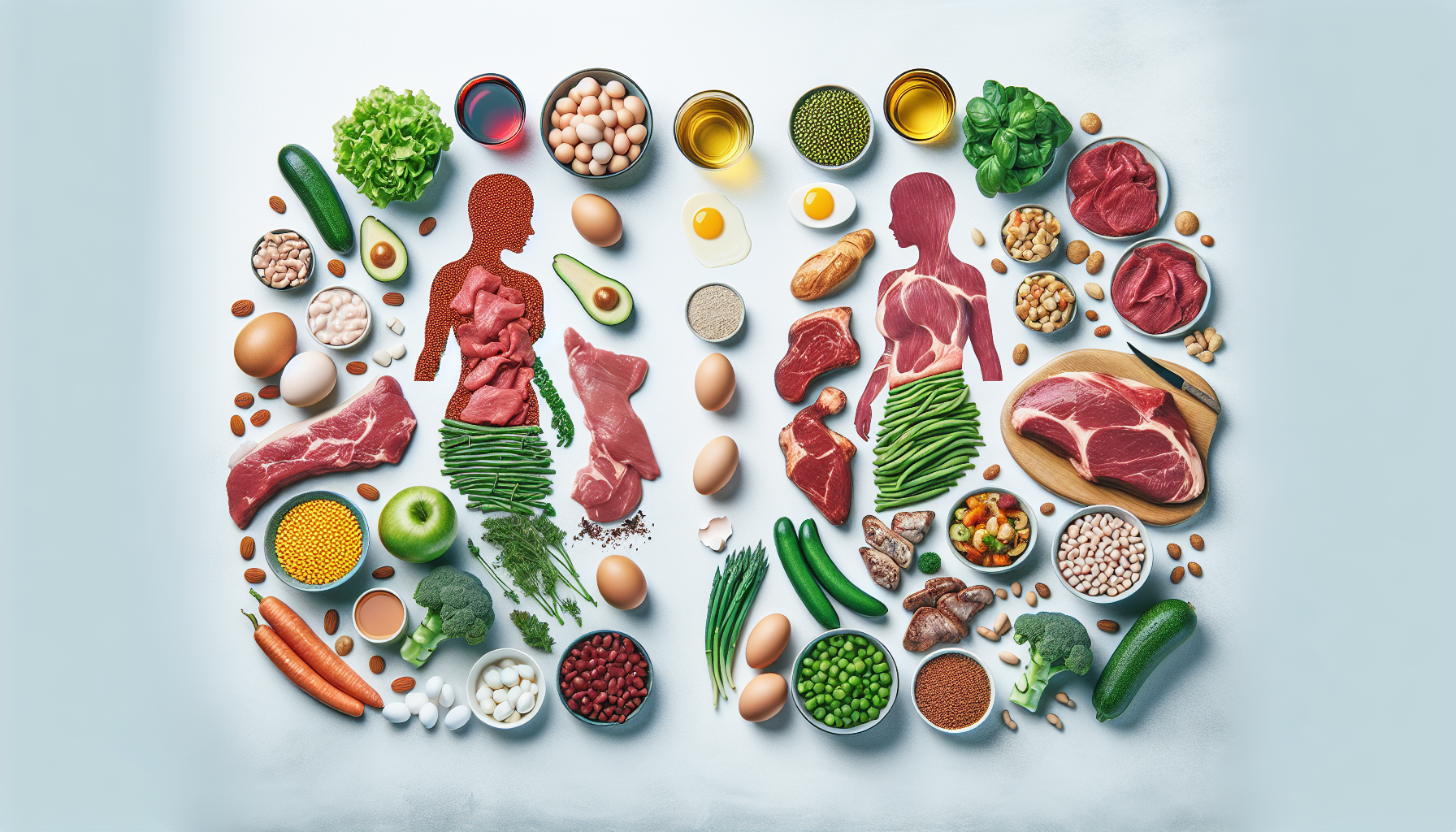
Understanding the Protein Leverage Hypothesis
The Protein Leverage Hypothesis is a compelling theory that explains how our bodies regulate food intake and body fat based on protein consumption. This hypothesis suggests that humans have a fixed protein target that they strive to meet daily. When dietary protein is insufficient, people tend to consume more total calories in an attempt to fulfill their protein needs, often leading to excess fat accumulation. Conversely, diets higher in protein can promote satiety and reduce overall calorie intake, contributing to fat loss.
The Science Behind Protein and Appetite Regulation
Protein as a Key Macronutrient
Protein plays a vital role in numerous bodily functions including muscle repair, immune support, and hormone production. Unlike carbohydrates and fats, protein has a unique ability to influence appetite-regulating hormones such as ghrelin, peptide YY, and GLP-1. These hormones help control hunger and fullness, making protein a powerful tool in appetite management.
How Protein Intake Impacts Caloric Consumption
According to the Protein Leverage Hypothesis, when protein intake is low, the body’s drive to meet its protein target leads to increased consumption of carbohydrates and fats. This often results in a higher total caloric intake and potential fat gain. On the other hand, higher protein diets satisfy the protein requirement more effectively, reducing the need to overeat other macronutrients.
Evidence Supporting the Protein Leverage Hypothesis
Animal and Human Studies
Several studies have demonstrated the impact of protein intake on energy consumption and body composition:
- Animal Research: Experiments with rodents show that animals deprived of adequate protein increase their food intake to meet protein needs, leading to higher fat deposition.
- Human Trials: Clinical studies have indicated that participants on higher protein diets report greater satiety, consume fewer calories, and experience more significant fat loss compared to lower protein diets.
Real-World Applications
In practical terms, the Protein Leverage Hypothesis explains why diets rich in protein are often more effective for weight management. Many successful dietary approaches, such as the Mediterranean diet, Paleo diet, and modern low-carb plans, emphasize increased protein consumption to help control appetite and promote fat loss.
Benefits of a Higher Protein Diet
Enhanced Satiety and Reduced Cravings
Protein-rich meals produce a stronger feeling of fullness than carbohydrate or fat-heavy meals, which can prevent overeating and help maintain a healthy weight.
Improved Body Composition
Eating more protein supports muscle maintenance and growth, which is essential during weight loss. Preserving lean muscle mass helps sustain a higher metabolic rate and promotes long-term fat loss.
Better Metabolic Health
Higher protein intake has been linked to improved blood sugar regulation, reduced blood pressure, and favorable changes in lipid profiles, all of which contribute to overall metabolic health.
How to Optimize Protein Intake for Fat Loss
Determine Your Protein Needs
Protein requirements vary based on age, activity level, and goals. A common recommendation for fat loss is to consume between 1.2 and 2.2 grams of protein per kilogram of body weight daily.
Choose High-Quality Protein Sources
Opt for lean meats, poultry, fish, eggs, dairy products, legumes, and plant-based proteins like tofu and tempeh. These sources provide essential amino acids that the body cannot produce on its own.
Distribute Protein Intake Throughout the Day
Consuming protein evenly across meals maximizes muscle protein synthesis and helps maintain satiety.
Potential Considerations and Limitations
Balancing Macronutrients
While protein is crucial, it is important to maintain a balanced diet that includes adequate carbohydrates and healthy fats for energy, brain function, and nutrient absorption.
Individual Differences
Some individuals may need personalized approaches based on medical conditions, dietary preferences, or metabolic differences. Consulting with a registered dietitian or healthcare provider is advisable.
Overconsumption Risks
Excessively high protein intake can strain the kidneys and may have other health implications, especially in individuals with pre-existing kidney conditions.
Conclusion
The Protein Leverage Hypothesis offers valuable insight into why increasing dietary protein can lead to reduced fat accumulation by naturally curbing overeating. By prioritizing protein intake within a balanced diet, individuals can enhance satiety, preserve lean muscle mass, and support sustainable fat loss. Understanding and applying this hypothesis can be a powerful strategy for effective weight management and improved metabolic health.