
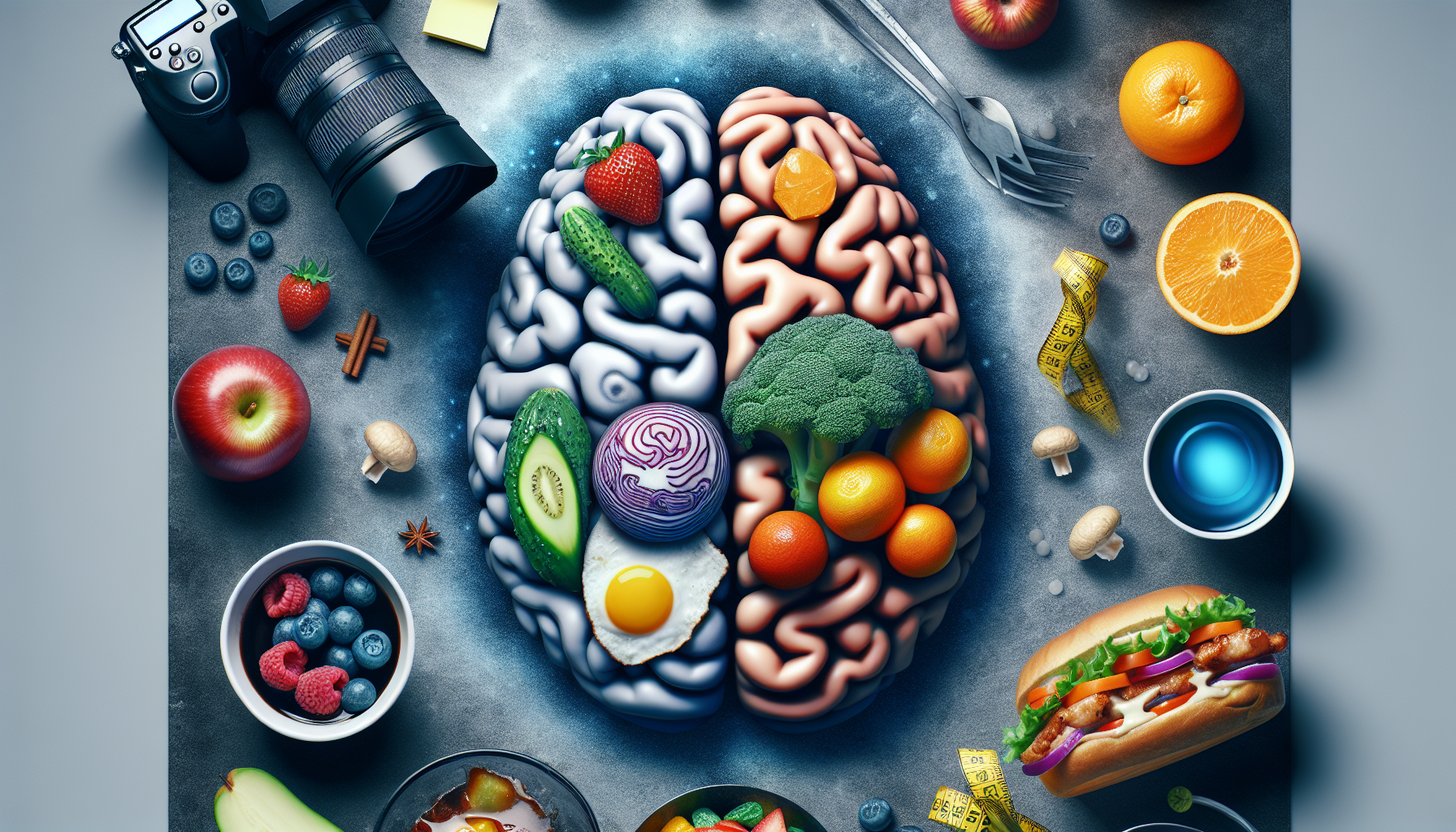
Understanding the Concept of Cheat Meals
In the realm of nutrition and dieting, the term “cheat meal” has gained considerable popularity. It typically refers to a planned indulgence where a person temporarily departs from their usual dietary regimen to enjoy foods that might be considered “off-limits.” While some view cheat meals as a motivational tool or a way to satisfy cravings, others criticize the concept for potentially fostering unhealthy relationships with food. To build a sustainable and healthy lifestyle, it’s crucial to explore the psychology behind cheat meals and understand how to approach them mindfully.
The Psychological Roots of Cheat Meals
1. Restriction and Deprivation
Many diets involve strict rules, eliminating certain food groups or severely limiting calorie intake. This restriction can lead to feelings of deprivation, which may increase cravings and the desire to “break the rules.” Cheat meals often emerge as a response to this deprivation, serving as a psychological release valve.
2. Reward and Motivation
Psychologically, cheat meals can function as a reward system. After adhering to a diet for a set period, an individual allows themselves a treat as positive reinforcement. This reward-based mindset can help maintain motivation but also risks creating a dichotomy of “good” versus “bad” foods.
3. Social and Emotional Factors
Food is deeply tied to emotions and social interactions. Cheat meals may be influenced by social gatherings, celebrations, or emotional states such as stress or boredom. Understanding these triggers is essential to developing a balanced approach to eating.
The Potential Pitfalls of Cheat Meals
1. Guilt and Shame
Labeling certain foods as “cheats” can inadvertently lead to feelings of guilt or shame when indulged. This emotional response can contribute to a negative cycle of restriction and overeating, sometimes escalating to disordered eating patterns.
2. All-or-Nothing Thinking
The concept of cheat meals can encourage black-and-white thinking—viewing foods as either completely “allowed” or “forbidden.” This mindset can make it difficult to maintain consistency and may increase the likelihood of binge episodes.
3. Impact on Metabolic and Physical Health
While occasional indulgence is unlikely to cause significant harm, excessively large or frequent cheat meals can disrupt metabolic balance, leading to weight fluctuations and other health issues.
Strategies for Building a Healthy Relationship with Food
1. Shift from “Cheat Meal” to “Enjoyment Meal”
Reframing the language around indulgence can have a profound psychological impact. Instead of viewing certain meals as “cheats,” consider them as opportunities to enjoy a variety of foods without guilt. This approach promotes flexibility and reduces the stigma associated with food choices.
2. Practice Mindful Eating
Mindfulness involves paying full attention to the experience of eating—flavors, textures, and satiety cues. Engaging in mindful eating during indulgent meals can enhance satisfaction and prevent overeating.
3. Incorporate Flexibility in Your Diet
Allowing for occasional indulgences within a balanced diet reduces the likelihood of feelings of deprivation. Rather than rigidly categorizing foods, focus on overall dietary patterns and nutritional quality.
4. Address Emotional and Social Triggers
Identifying the emotional or social contexts that prompt cravings or overeating can enable more conscious choices. Techniques such as journaling, therapy, or support groups can be beneficial.
5. Focus on Nutritional Adequacy
Ensuring that your regular diet meets your body’s nutritional needs decreases the intensity of cravings and supports physical well-being, making indulgences less about “breaking the rules” and more about enjoyment.
The Role of Professionals in Supporting Healthy Eating Habits
Registered dietitians, nutritionists, and mental health professionals play a critical role in guiding individuals toward balanced eating practices. They can help dismantle harmful food-related beliefs, provide personalized strategies, and support psychological well-being.
Conclusion
The psychology of cheat meals is complex, intertwined with emotions, social factors, and cognitive patterns. While cheat meals can serve as a useful tool for some, they also carry the risk of fostering unhealthy attitudes toward food. By adopting a mindset of flexibility, mindfulness, and self-compassion, individuals can cultivate a healthy relationship with food that supports both physical and mental health. Remember, food is not just fuel—it is also a source of pleasure, culture, and connection. Embracing this holistic view can transform how we approach eating, making every meal a positive experience.