
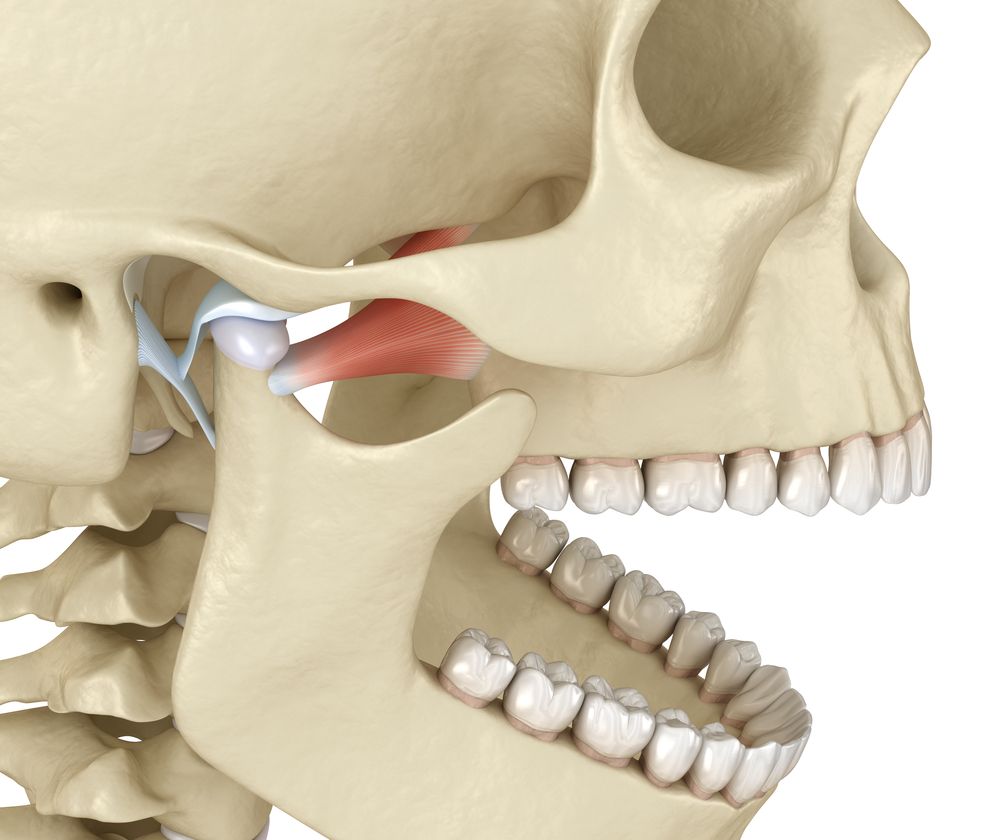
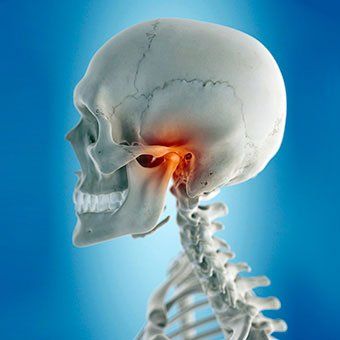
Temporomandibular joint (TMJ) misalignment can cause pain and interfere with daily activities like eating, speaking, and even sleeping. The good news is that this condition can often be managed effectively with the right approach—ranging from simple at-home remedies to more advanced medical treatments. Here’s a complete guide to help you understand your options.
1. Natural At-Home Treatments
These methods are ideal for mild or early-stage symptoms.
Hot and Cold Compress
- Cold compress helps reduce inflammation and swelling
- Warm compress relaxes muscles and eases tension
Apply for 10–15 minutes, 2–3 times per day.
Jaw Exercises
Gentle exercises can improve flexibility and reduce stiffness:
- Slowly open and close your mouth
- Move your jaw side to side
- Practice keeping your jaw in a neutral position
Lifestyle Adjustments
- Avoid chewing gum
- Limit hard or chewy foods
- Stop habits like resting your chin on your hand or teeth grinding
2. Stress Management – A Key Factor
Stress is one of the leading causes of teeth grinding (bruxism), which can worsen TMJ issues.
Try incorporating:
- Meditation or deep breathing
- Yoga or light exercise
- Proper sleep routines
Reducing stress can significantly improve both TMJ symptoms and overall health.
3. Supportive Devices (Non-Invasive)
These are widely used and often very effective.
Night Guards (Mouth Guards)
- Reduce pressure on the jaw joint
- Prevent teeth grinding during sleep
- Help reposition the jaw properly
Consult a dental professional to find the right type for you.
4. Medication
For more severe pain or inflammation, a doctor may recommend:
- Pain relievers (e.g., ibuprofen, acetaminophen)
- Muscle relaxants
- Anti-inflammatory drugs
⚠️ Always use medication under medical guidance.
5. Physical Therapy
Therapy techniques can help restore function and reduce discomfort:
- Ultrasound therapy
- Electrical stimulation
- Deep tissue massage (jaw, neck, shoulders)
6. Dental Interventions
If your condition is caused by bite misalignment, treatments may include:
- Orthodontics (braces)
- Bite adjustment
- Dental restorations
These approaches aim to correct the root structural issue.
7. Advanced Treatments (Severe Cases)
When conservative methods don’t work, more advanced options may be considered:
- Botox injections to reduce muscle tension
- Arthroscopy (minimally invasive joint procedure)
- Corrective jaw surgery
These should only be performed by qualified specialists.
Supportive Solutions You Can Explore at Home
In addition to traditional treatments, many people choose to combine them with at-home support solutions to enhance results and relieve discomfort faster.
You can explore specialized TMJ support products here:
YOURTMJ
These products are designed to:
- Reduce pressure on the jaw joint
- Relax jaw muscles
- Improve sleep quality
They’re a convenient option for those who want to take a proactive approach to managing TMJ symptoms at home.
Conclusion
There’s no one-size-fits-all solution for TMJ misalignment. Depending on the cause and severity, you can start with natural remedies and move toward more advanced treatments if necessary.
The key is early action-the sooner you address the issue, the easier and more effective the treatment will be.