
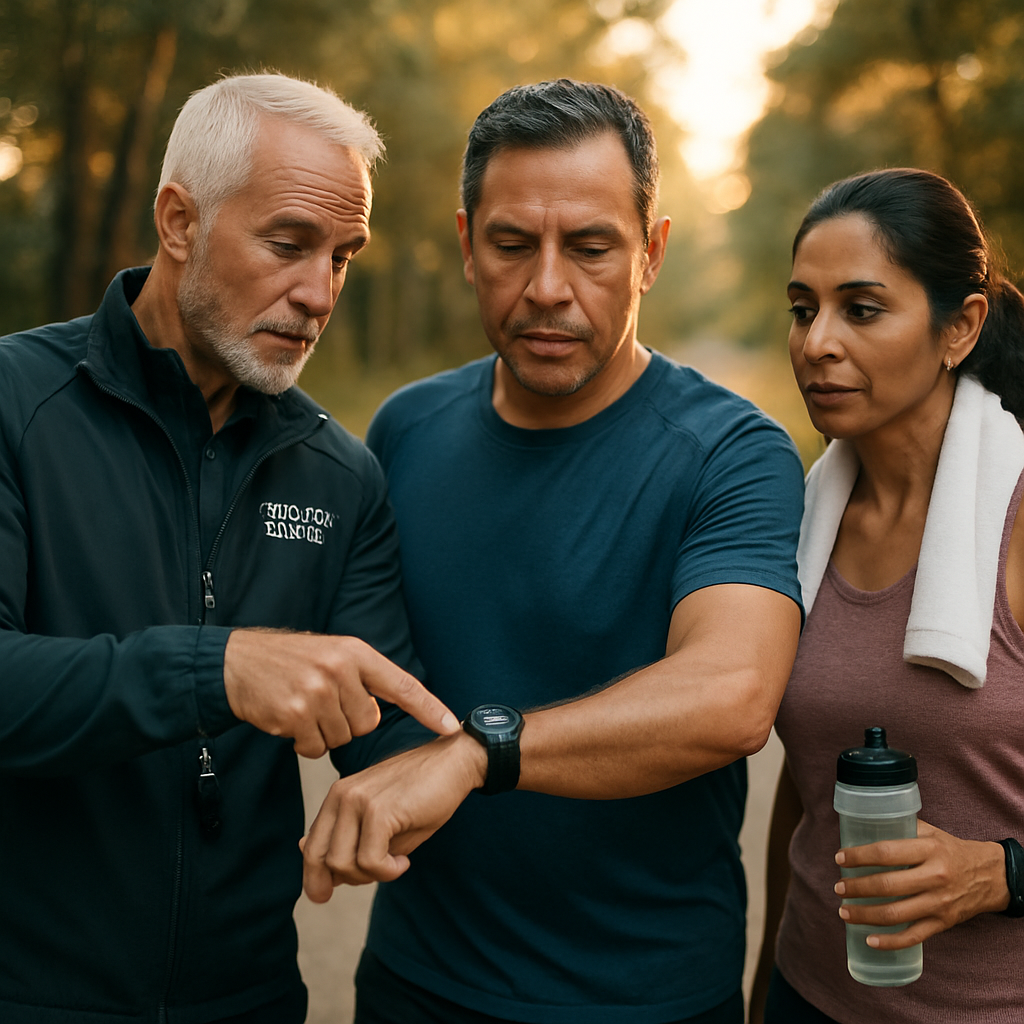
As a senior fitness coach and certified nutritionist with 12+ years in sports science, I often hear the same frustration from clients over 40: ‘I want to improve my health and energy, but I don’t know where to start.’ If you’re short on time, confused by conflicting advice, or worried about intensity and injury, Zone 2 training is one of the safest, most evidence-based strategies you can adopt.
High-CTR Headlines
- Unlock Steady Energy After 40 with Zone 2 Cardio: A Practical Plan
- Why Zone 2 Cardio is the Longevity Secret Every Beginner Over 40 Needs
- Build Endurance, Burn Fat, and Boost Mitochondria with Low-Intensity Training
- Simple Zone 2 Sessions: Science-Based Cardio for Busy Adults
- From Couch to Confidence: A Beginner’s Guide to Zone 2 Cardio
Introduction
The most common complaint I hear is loss of stamina and growing fatigue with age. Fortunately, you don’t need to sprint to see big gains. Zone 2 cardio delivers meaningful improvements in metabolic health, endurance, and mitochondrial function without the risk and recovery demands of high-intensity work. In this article you will learn the science in simple terms, how to find and implement Zone 2 in your daily routine, and which myths to ignore so you can start progressing safely today.
The Science
What Zone 2 actually means
Zone 2 is a low-to-moderate intensity where your body primarily uses aerobic metabolism to produce energy. Practically, it is the pace at which you can hold a conversation but feel like you are exercising. For most people this corresponds to about 60-70% of maximum heart rate or roughly 1.0 to 1.5 on the Borg 6-20 perceived exertion scale.
Physiological benefits explained simply
Regular Zone 2 training enhances mitochondrial efficiency and density, improves fat oxidation, and increases capillary supply to muscles. These adaptations support better energy production and recovery, lower resting heart rate, and improved endurance. Importantly for adults over 40, Zone 2 is linked to improved metabolic markers such as insulin sensitivity and blood lipid profiles when combined with appropriate nutrition.
Practical Application
How to find your Zone 2
- Heart rate method: Aim for about 60-70% of estimated max heart rate (220 – age). For a 45-year-old, that is approximately 105-123 beats per minute.
- Talk test: You should be able to speak in full sentences but not sing. If you can only say a few words, you are too hard; if you can sing, you are below Zone 2.
- Perceived exertion: Aim for a 3-4 out of 10, comfortable but purposeful.
Sample weekly plan for beginners over 40
- Week 1-2: 20-30 minutes of Zone 2, 3 sessions per week (walking, light cycling, or easy elliptical).
- Week 3-6: Increase to 30-45 minutes, 3-4 sessions per week. One session can be 60 minutes if time allows.
- Months 2-4: Progress to 4-5 sessions per week, including one longer session 60-90 minutes for endurance building.
Always include a 5-10 minute warm-up and 5-10 minute cool-down. Track sessions with a simple heart rate monitor or smartwatch to stay in zone.
Common Myths vs. Facts
Myth 1: Low-intensity cardio is a waste of time
Fact: Zone 2 drives foundational aerobic adaptations that support recovery, fat metabolism, and long-term performance. It is the training base on which higher-intensity work becomes effective and safer.
Myth 2: You need HIIT to lose weight or get fitter
Fact: HIIT is effective but also more taxing. For many over 40, a consistent Zone 2 program plus dietary adjustments yields sustainable fat loss and fitness without elevated injury risk.
Myth 3: Older adults cant adapt to cardio training
Fact: Age slows some processes, but aerobic capacity and mitochondrial health respond well to training at any adult age. Progress may be slower, but improvements are real and meaningful.
Action Plan
Quick Start Guide
- Step 1: Get a simple heart rate monitor or use a smartwatch app to measure pulse during exercise.
- Step 2: Start with 20-30 minutes of Zone 2, 3 times this week. Use the talk test to stay in zone.
- Step 3: Add 5-10 minutes every week until you reach 30-60 minutes per session.
- Step 4: Prioritize consistency over intensity; aim for 3-5 sessions weekly.
- Step 5: Combine with balanced nutrition, adequate protein intake, and sleep for maximal benefits.
Zone 2 cardio is a practical, science-backed approach to improving longevity, metabolic health, and everyday energy for beginners over 40. Start gently, stay consistent, and measure progress with simple metrics like perceived exertion, heart rate, and how you feel during daily activities. If you want a personalized plan based on your health history and goals, consider scheduling a consultation so we can build a progressive, safe program tailored to you and track results together.